Why Does My Dog Stop During Walks? 7 Things to Check
A dog who plants their feet may be sniffing, uncertain, tired, hot, uncomfortable, or in pain. The pattern around the stop helps narrow down what to check next.
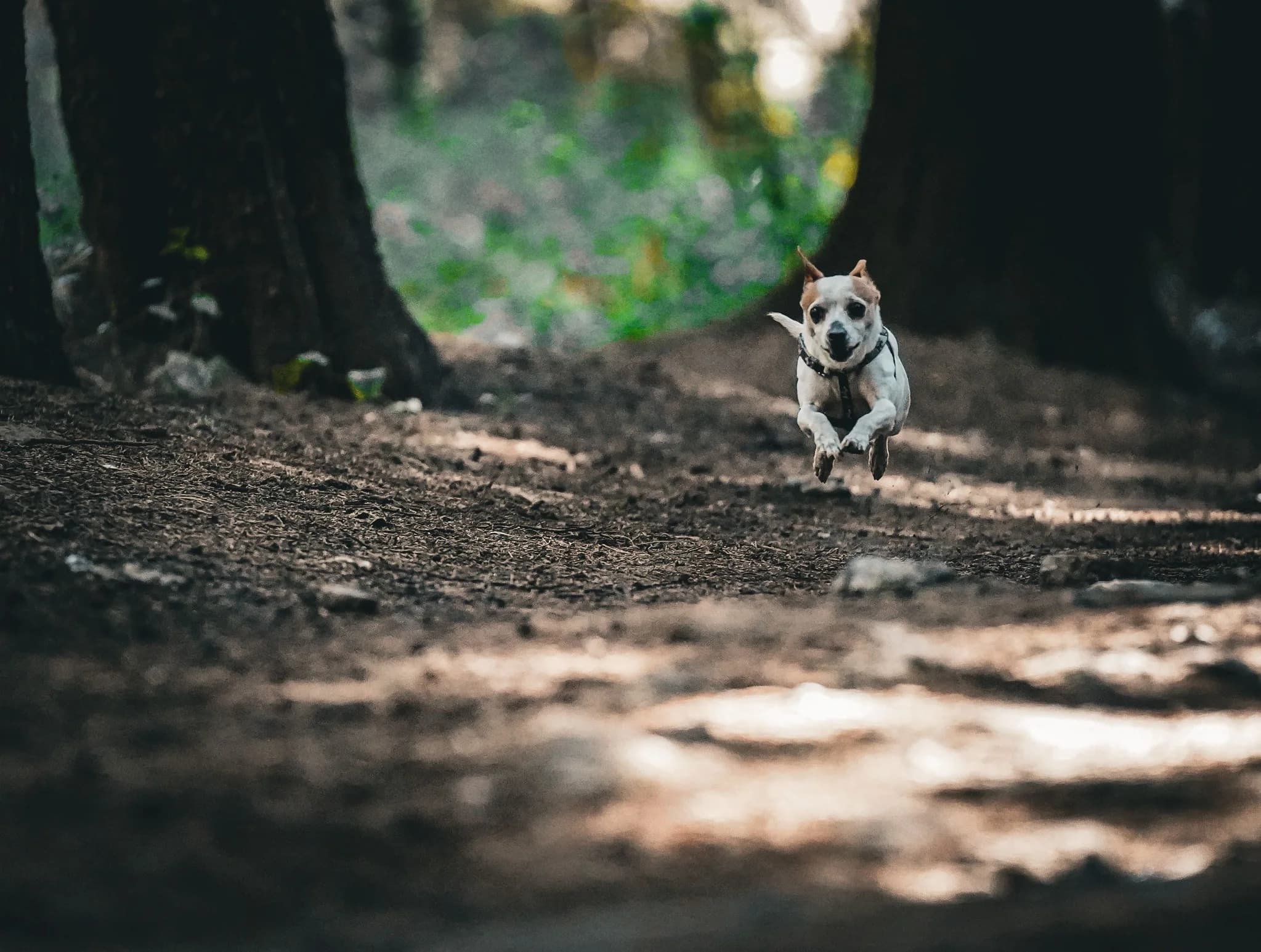
A dog stopping mid-walk can mean "I found an excellent smell" or "something about this is not okay." The useful part is the context. Before tugging the leash or assuming stubbornness, look at what changed immediately before the stop.
1. Your dog is gathering information
Sniffing is part of how dogs explore. Some dogs pause because they are processing scent, watching movement, or deciding where to go next. If body language is loose and the stop is brief, this may simply be part of the walk rather than a problem to fix.
2. Something feels uncertain or scary
Traffic, construction, slippery flooring, a barking dog, a narrow path, or a place linked with a previous scare can make a dog hesitate. Watch the whole body. A lowered posture, weight shifted backward, scanning, trembling, tucked tail, or repeated attempts to turn around can point toward discomfort rather than defiance.
3. The weather is taking more out of them
Heat, humidity, direct sun, deep snow, or strong wind can make an ordinary route much harder. Dogs do not need to collapse before the conditions matter. Slowing down, seeking shade, heavy panting, or repeated stops are reasons to shorten the outing and reassess.
4. Their paws hurt
Hot pavement, ice, salt, sharp gravel, packed snow, a torn nail, or something caught between the pads can change a walk quickly. If stopping is sudden, inspect the paws somewhere safe before encouraging more movement.
5. Their walking gear is uncomfortable
A twisted strap, rubbing point, tight adjustment, or piece of debris can become more noticeable after several minutes of movement. Check anything touching the body, especially if your dog starts scratching, biting at the gear, or changing their stride.
6. They are tired
Fitness is specific. A dog can be enthusiastic at the start and still reach their limit earlier than you expect, especially on hills, rough terrain, or in warm weather. Puppies, seniors, dogs returning from inactivity, and dogs carrying extra weight may need shorter outings and more gradual conditioning.
7. Something physical has changed
Pain, illness, stiffness, breathing difficulty, or other medical problems can appear as a change in willingness to walk. A new pattern matters more than whether the dog can technically keep moving.
What should you do when your dog stops?
First, stop too. Give yourself a few seconds to observe rather than pulling forward. Check the environment, your dog's body language, paws, breathing, and gear. If the dog seems worried, creating distance can be more useful than adding pressure.
If the stop is new, repeated, accompanied by limping, distress, unusual breathing, weakness, vomiting, or another concerning physical sign, end the walk and seek appropriate veterinary advice.
The goal is not to make every pause disappear. It is to learn which pauses are ordinary dog behavior and which ones are your dog telling you that the plan needs to change.
Keep exploring